
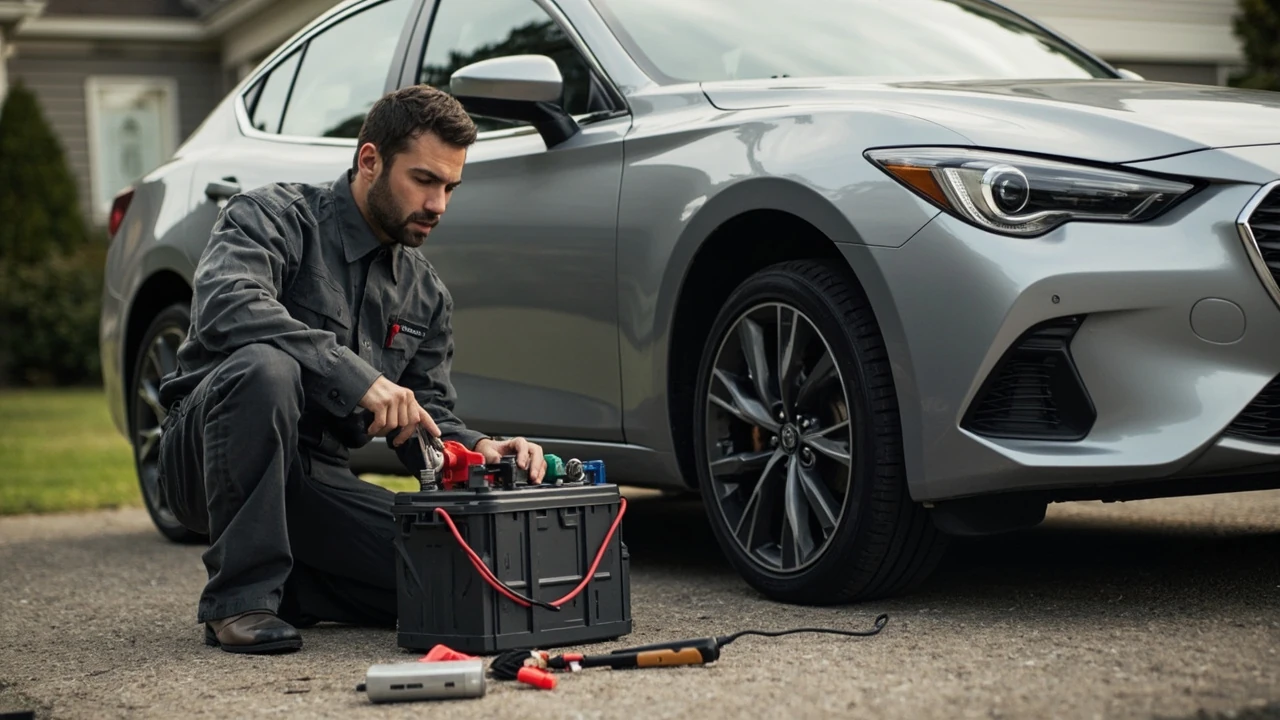

Mobile car battery replacement: what drivers should know before booking
A dead battery rarely arrives with a warning. A driver turns the key on a Monday morning, the dashboard lights flicker, the starter clicks once, and the car refuses to wake up. Towing the vehicle to a shop is one option, but for many situations a technician who comes to the car is faster, simpler, and easier on a busy schedule. Mobile car battery replacement has grown into a common roadside and driveway service, and understanding how it actually works helps drivers decide when it makes sense and what to expect during a visit.
This guide explains how on-site battery service works, what a technician typically checks before installing a new battery, what the process looks like in real conditions, and how to compare it with a traditional shop visit. It also covers cost factors, warranty questions, common warning signs that a battery is about to fail, and the small steps drivers can take to prepare a vehicle for a mobile service call.
How mobile car battery replacement works in practice
The core idea behind mobile car battery replacement is straightforward: a trained technician drives to the vehicle, tests the existing battery and charging system, and either revives the battery if it is still healthy or swaps in a new one on the spot. The service is offered by independent operators, tire and auto repair shops with a mobile division, and national roadside assistance networks.
Most providers follow a similar sequence:
- Driver calls or books online and describes the symptoms, vehicle make and model, and location.
- Technician arrives in a service van or truck stocked with several battery group sizes, terminals, and basic tools.
- Technician performs a battery and charging system test before deciding whether replacement is needed.
- Old battery is removed, terminals are cleaned, and the new battery is installed and secured.
- Vehicle systems are reset if needed, and the technician confirms the car starts and the alternator is charging correctly.
- Old battery is taken away for proper recycling.
For drivers, the biggest difference from a shop visit is convenience. There is no need to leave the car overnight, arrange a ride, or wait in a lobby. The trade-off is that the technician has limited diagnostic equipment compared with a full shop, so for complicated electrical problems a mobile call may only be the first step.
Common situations where on-site service is the right call
Not every dead battery calls for a tow truck. In many everyday situations, mobile service is the simplest answer. Drivers tend to book it when:
- The car will not start at home, at work, or in a parking lot and there is no safe way to jump it.
- The battery is more than four years old and has shown slow cranking or flickering electronics.
- The driver wants a known-good battery installed without waiting for a shop appointment.
- The vehicle is at a rental, fleet lot, or dealership holding area where a tow is inconvenient.
- There is a medical or time-sensitive reason the car needs to be running quickly.
Mobile service is less useful when a vehicle needs a full electrical diagnosis, a parasitic draw test, or component replacement beyond the battery itself. In those cases, a shop with a lift, scan tools, and longer diagnostic time is the better fit.
What a technician checks before replacing a battery
A careful technician does not simply remove the old battery and bolt in a new one. The charging system and the connections need a quick check, because a battery that keeps dying often points to a different problem. A typical pre-replacement inspection includes:
- Voltage test of the resting battery, usually after the vehicle has sat for at least an hour.
- Cranking voltage test while the starter turns the engine.
- Alternator output test at idle and at moderate engine speed.
- Visual inspection of battery cables, terminals, and the grounding strap.
- Check for parasitic draw, in cases where a battery keeps dying overnight.
If the alternator is weak or the cables are corroded, a new battery alone will not solve the problem. A reputable technician will flag those issues and may recommend a follow-up at a shop rather than installing a battery that will not hold a charge.
Choosing the right replacement battery for the vehicle
Automotive batteries are not interchangeable. Group size, terminal layout, cold cranking amps (CCA), and reserve capacity all have to match the vehicle’s specifications. The wrong battery can be physically too large, sit loose in the tray, or fail to crank the engine in cold weather.
Drivers should know the basics of their vehicle’s battery before the technician arrives, even if the technician is the one who ultimately selects the unit. The group size is often printed on the existing battery’s label, and the owner’s manual lists the recommended CCA range. A quick photo of the old battery and the tray can save time on the service call.
| Battery attribute | Why it matters | What to check |
|---|---|---|
| Group size | Determines whether the battery physically fits the tray and terminal layout. | Match the number printed on the existing battery, such as 24F, 35, H6, or H7. |
| Cold cranking amps (CCA) | Power available to start the engine in cold weather. | Meet or slightly exceed the manufacturer’s rating. |
| Reserve capacity (RC) | Minutes the battery can run accessories if the alternator fails. | Higher is better for vehicles with many electronics. |
| Terminal polarity and position | Cables must reach the posts without stretching or crossing. | Confirm positive and negative post locations match the original. |
| Warranty length | Indicates expected service life and manufacturer confidence. | Compare free-replacement and pro-rated periods. |
What drivers should do before the technician arrives
Mobile service is faster when the vehicle is ready. A few small steps help the technician work safely and efficiently:
- Park the car on a level surface with enough room to open the hood fully and access the battery tray.
- Turn off lights, climate control, accessories, and infotainment before the technician arrives.
- Remove any aftermarket battery covers or decorative panels that block access.
- Have the key fob and the vehicle registration available for any paperwork.
- Clear the area around the front of the car so the technician is not working in traffic or cramped space.
If the car is in a garage, make sure the garage door can stay open during the service, since the engine will need to be started to confirm charging system voltage.
Understanding mobile car battery replacement cost
Mobile service typically costs a bit more than a shop visit because it includes the trip, the technician’s time on the road, and the convenience of coming to the driver. The exact price varies by region, battery type, and time of day, but drivers can expect a few common line items.
| Cost component | What it covers | Typical variable |
|---|---|---|
| Service call or trip fee | Travel to the vehicle and on-site labor. | Distance, time of day, after-hours premium. |
| Battery unit | The replacement battery itself. | Group size, brand, CCA rating, warranty length. |
| Installation labor | Removal, terminal cleaning, securing the new battery, system check. | Vehicle accessibility, additional parts needed. |
| Environmentally responsible disposal of the spent battery. | Usually included in the service. | |
| Taxes and environmental fees | State or local charges on new batteries. | Set by jurisdiction. |
Emergency or after-hours service often carries a premium, especially overnight, on holidays, or in remote areas. Drivers who can wait a few hours for a scheduled appointment during normal business hours usually pay less than those who need a battery in the middle of the night.
Warning signs a battery is about to fail
Most batteries do not die without warning. A few symptoms tend to show up in the weeks before a battery gives out, and paying attention to them can help a driver schedule a replacement before being stranded.
- Slow cranking, especially on cold mornings.
- Dim headlights or interior lights when the engine is off.
- Flickering dashboard lights or infotainment resets.
- Battery or check engine light appearing on the dashboard.
- A sulfur or rotten egg smell near the engine bay.
- Visible corrosion, a swollen case, or battery acid residue around the terminals.
Any of these signs suggest the battery is nearing the end of its service life. A mobile technician can confirm with a quick test, and if the battery still holds a charge for a short period, scheduling a replacement during business hours is usually cheaper than a late-night emergency call.
Comparing mobile service with a traditional shop visit
Both options deliver the same end result, a working battery in the car, but they fit different situations. The right choice depends on how urgent the problem is, how complex the vehicle is, and what kind of follow-up support the driver wants.
| Factor | Mobile service | Shop visit |
|---|---|---|
| Convenience | Technician comes to the car, no towing needed. | Driver must get the car to the shop. |
| Wait time | Often same day, sometimes within an hour. | Depends on shop schedule and parts availability. |
| Cost | Includes a service call or trip fee on top of parts and labor. | Usually lower base price, no travel charge. |
| Diagnostic depth | Good for battery and basic charging system checks. | Better for complex electrical or parasitic draw issues. |
| Warranty handling | Handled on the spot, with paperwork brought to the vehicle. | Handled in person at the service counter. |
| Best for | Stranded drivers, quick swaps, fleet and rental vehicles. | Deep electrical work, warranty claims, complex vehicles. |
For a routine battery swap, mobile service is usually the more practical choice. For deeper electrical issues or warranty service on a newer vehicle, a shop with the full diagnostic suite is the safer option.
How long a mobile car battery replacement takes
Most straightforward battery swaps take 20 to 45 minutes once the technician is at the vehicle. That window covers the diagnostic test, removal of the old battery, terminal cleaning, installation of the new battery, and confirmation that the charging system is functioning. Vehicles with tightly packed engine bays, additional covers, or hard-to-reach battery locations can take longer, especially if a bracket or sensor needs to be moved out of the way.
Travel time depends on how far the technician has to drive. In dense urban areas, a provider may reach the vehicle within 30 to 60 minutes. In suburban or rural locations, an hour or more of drive time is common. Providers that operate 24 hours a day tend to have faster response windows for emergencies, while scheduled appointments during business hours may run a tighter schedule.
What to do after a new battery is installed
A new battery does its job quietly, but a few post-installation habits help it last as long as possible. Most automotive batteries last three to five years, and good habits can stretch the upper end of that range.
- Drive the vehicle regularly, since long periods of sitting drain even healthy batteries.
- Avoid leaving accessories, phone chargers, or interior lights on when the engine is off.
- Have the charging system tested once a year, especially before winter.
- Keep the battery terminals clean and free of corrosion.
- Ask the technician to note the install date on the battery or in the service paperwork, which makes warranty claims simpler.
Modern vehicles often need a window or radio relearn after a battery is disconnected. A driver may notice the clock needs to be reset or the power windows need a one-touch relearn procedure. The technician usually handles the basics on the spot, but it is worth asking which systems might need attention after the call.
Questions to ask when booking a mobile service
A short list of questions helps a driver compare providers and avoid surprises on the invoice. Before booking, it is worth asking:
- What is included in the quoted price, and what might add to the total?
- Which battery brands and group sizes does the technician carry for the vehicle?
- What is the warranty on the battery, and is it free-replacement or pro-rated?
- How is the old battery disposed of, and is recycling included?
- What happens if the technician finds a charging system issue instead of a bad battery?
- Is the service available after hours, and what does the after-hours rate look like?
- What payment methods are accepted on site?
Clear answers to these questions help a driver pick a provider that fits both the vehicle and the schedule.
Mobile car battery replacement for fleets and rental vehicles
Fleet operators and rental car companies often rely on mobile service because vehicles cannot be tied up at a shop. A single technician can rotate through a parking lot, swap batteries, and keep cars on the road with minimal disruption. For rental companies, mobile service also reduces the awkward customer conversation about a dead battery at the start of a rental period.
Providers that specialize in fleet work usually offer recurring service windows, bulk battery pricing, and documentation that matches the operator’s maintenance records. Drivers in the fleet benefit from a single point of contact and a predictable schedule.
Environmental and safety notes
Automotive batteries contain lead and sulfuric acid, which means proper handling matters. A reputable mobile technician should wear gloves and eye protection, avoid leaning over the battery while removing cables, and dispose of the old battery through a certified recycling channel. Drivers should keep children, pets, and open flames away from the work area and avoid touching the old battery with bare hands.
On the environment side, nearly every part of a lead-acid battery is recyclable. Keeping the old battery out of regular trash and turning it over to a provider that participates in a recycling program is the responsible choice. Many states also require a core deposit that is refunded when the old battery is returned, which creates a small financial incentive to recycle.
Common myths about on-site battery service
A few misconceptions still circulate about mobile work, and clearing them up helps drivers make better decisions.
- Myth: Mobile technicians only install cheap batteries. In practice, most reputable providers carry the same major brands a shop would stock, and the price difference comes from the trip fee, not the battery itself.
- Myth: Any mechanic can do it. Battery work is straightforward, but a careless installation can damage a vehicle’s electrical system. Trained technicians follow specific disconnect and reconnect sequences to protect the alternator and onboard electronics.
- Myth: A jump start is just as good. A jump start gets a car running once, but it does not fix a battery that will not hold a charge. If the battery fails the next morning, replacement is the real fix.
- Myth: All batteries are the same. Group size, CCA, terminal layout, and warranty length vary widely. The wrong battery can fit poorly or underperform in cold weather.
How to choose a reliable mobile battery provider
Reputation matters more than price when a technician is working on a vehicle in a driveway or parking lot. A few signals help separate solid providers from the rest:
- Clear, itemized quotes before the technician is dispatched.
- Warranty paperwork delivered with the new battery.
- Visible technician identification and a marked service vehicle.
- Positive reviews that mention professionalism, on-time arrival, and clean work areas.
- Willingness to explain what is being tested and why.
Established providers tend to publish their pricing structure and warranty terms online, which makes it easier to compare options before booking. For example, an operator that lists its [battery delivery and installation services](https://www.hoosiermobiletire.com/mobile-battery-replacement) up front gives drivers a clear sense of what the call includes.
When a mobile visit is not enough
Even a skilled mobile technician will sometimes recommend a follow-up at a shop. Situations that go beyond a simple battery swap include:
- Alternator or starter failure that shows up during the charging system test.
- Persistent parasitic draw that drains the battery overnight.
- Damaged battery cables that need replacement, not just cleaning.
- Hybrid or electric vehicles that use a separate 12-volt battery in unusual locations.
- Electrical issues that trigger dashboard warning lights beyond the battery light.
In these cases, the mobile visit is a useful first step that confirms the problem and gets the driver moving in the short term, but it is not a substitute for a full shop diagnosis.
Preparing for the next battery, not just this one
Replacing a battery is a good moment to set up better habits for the next one. A small amount of attention goes a long way toward avoiding another roadside call in two or three years.
- Note the install date somewhere visible, like a sticker on the battery or a note in the owner’s manual.
- Save the receipt and warranty paperwork in the vehicle’s glove box or a phone photo album.
- Mark a reminder on the calendar for a charging system check one year after installation.
- Keep a basic emergency kit in the trunk with a portable jump starter, flashlight, and gloves.
Drivers who think of a battery as a planned maintenance item rather than an emergency usually get more years out of each one and avoid the stress of an unplanned breakdown.
The bottom line on mobile car battery replacement
Mobile car battery replacement is a practical, well-established service that fits the way many drivers actually use their vehicles. It removes the need for a tow, cuts the wait time, and brings a trained technician to the car with the tools and batteries needed for a clean swap. It is not a substitute for a full electrical diagnosis, and it does cost a bit more than a shop visit, but for routine battery failures it is often the fastest, least disruptive option.
Drivers who know the warning signs, keep a basic record of the battery’s age, and have a trusted provider on hand can usually turn a dead battery from a multi-hour problem into a single, short service call.
For homeowners thinking about broader maintenance planning, it can help to look at how other essential systems are handled, from [foundation repair](https://remodelcraftusa.com/foundation-repair/) to [water heater replacement](https://remodelcraftusa.com/water-heater-replacement/). A little preparation before something fails is usually cheaper and less stressful than waiting for an emergency.
Frequently asked questions
How long does a mobile car battery replacement take?
Most straightforward swaps take 20 to 45 minutes once the technician is at the vehicle. Add travel time, which can range from 30 minutes to over an hour depending on the provider’s location and traffic.
Do mobile technicians bring the correct battery for any vehicle?
Most carry common group sizes and a few brands, but not every battery is on the truck. Sharing the vehicle’s make, model, engine, and current battery group size when booking helps the technician bring the right unit.
Is mobile battery service more expensive than a shop?
Usually yes, by the cost of the service call or trip fee. The battery itself is often priced similarly to a shop. The premium pays for the convenience of having the work done at the vehicle.
Can a mobile technician test the alternator as well as the battery?
Yes. A standard mobile visit includes a charging system test that covers battery voltage, cranking voltage, and alternator output. More complex parasitic draw tests may need a shop.
What happens to the old battery?
The technician takes it away for recycling. Lead-acid batteries are almost fully recyclable, and most providers are required to dispose of them through a certified channel.
Will a new battery need to be registered with the car?
Some European vehicles with intelligent battery sensors require a registration step so the charging system manages the new battery correctly. A technician familiar with the brand will know whether this is needed.
Can mobile service handle hybrid or electric vehicles?
Most providers can replace the standard 12-volt battery used in hybrids and EVs, but high-voltage battery work is a different category and usually requires a specialized shop.
What if the technician finds a different problem?
If the battery tests healthy and the issue is in the starter, alternator, or wiring, the technician will explain the findings and recommend a shop visit. Most will not install a new battery if it will not fix the actual problem.
Does a new battery come with a warranty?
Yes. Warranty length depends on the brand and tier of the battery, typically ranging from one to several years. The technician should leave paperwork that explains the terms.
Is mobile battery service available at night or on holidays?
Many providers operate 24 hours a day, including weekends and holidays, sometimes with an after-hours premium. Booking ahead during business hours is usually cheaper than a late-night call.