
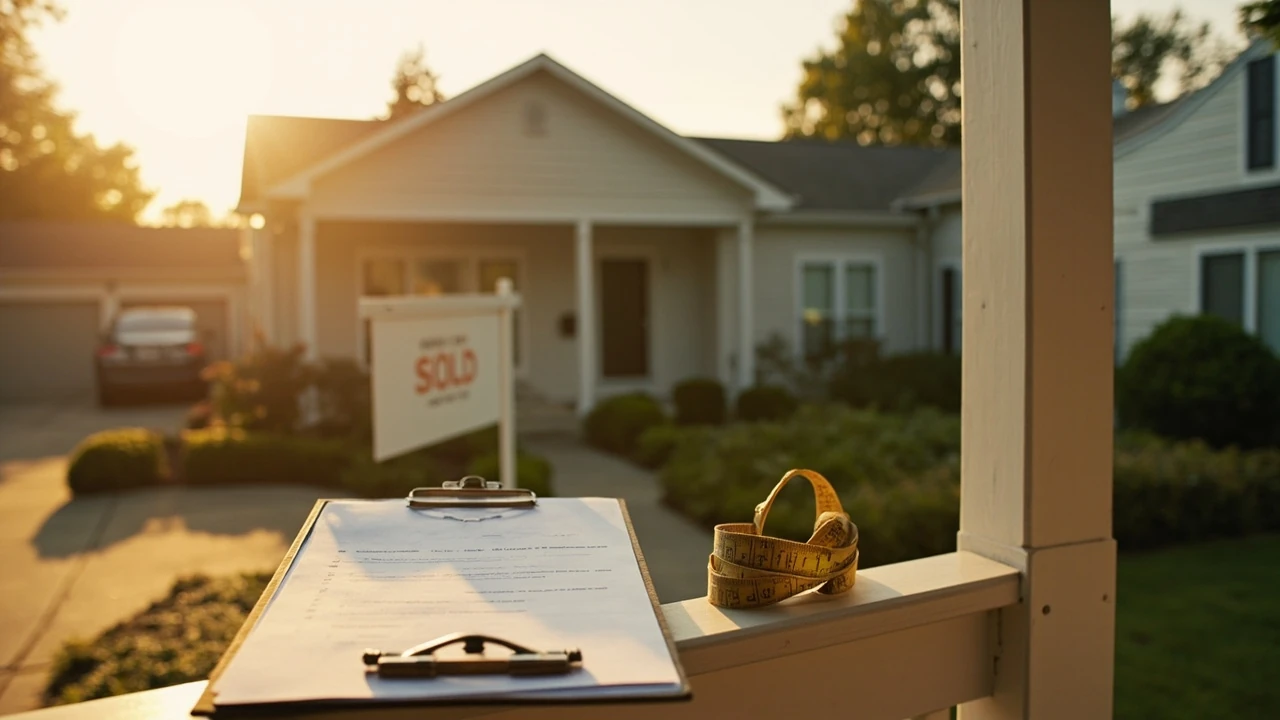

How to buy a foreclosure property
A foreclosure property is a home that a lender has taken back after the previous owner failed to keep up with mortgage payments. Once ownership returns to the bank, the property is usually listed for sale, often at a discount compared with similar homes on the open market. For buyers willing to handle paperwork, repairs, and a less conventional timeline, that discount is the main draw.
Learning how to buy a foreclosure property is less about finding a secret bargain and more about understanding a different sales process. The home is sold as-is, the title history can be messy, and competition varies by price range and neighborhood. This guide walks through each stage of the process, from pre-approval to closing, with practical checks that protect your budget and your timeline.
What counts as a foreclosure property
The label “foreclosure” gets used loosely, and that confusion costs buyers money. Three different stages describe the same home at different points in the default process.
- Pre-foreclosure: The owner has fallen behind on payments, and the lender has filed a notice of default or scheduled a trustee sale, but the property has not yet been sold. Deals at this stage are typically negotiated directly with the owner, often through a short sale if the lender agrees to accept less than what is owed.
- Auction: The home is sold at a public auction, usually on the courthouse steps or online, after the lender completes the foreclosure process. Auctions usually require cash or hard-money financing, and buyers rarely get to inspect the interior before bidding.
- Bank-owned or REO: The lender, often a bank or government-backed entity, now owns the property after it failed to sell at auction. These listings are managed by a real estate agent and are the most common type of foreclosure seen on the MLS.
Most first-time foreclosure buyers end up competing for REO inventory, because the process is closer to a normal purchase. Auction and pre-foreclosure deals offer deeper discounts but require more cash, more risk tolerance, and a good real estate attorney.
Pros and cons of buying a foreclosure
Foreclosure properties behave like any other home, except that condition, title, and motivation all lean in unusual directions. The trade-off is real.
| Pros | Cons |
|---|---|
| Price often below comparable homes in the same neighborhood. | Sold as-is, so the seller rarely pays for repairs. |
| Lower competition from buyers using conventional financing. | Condition can range from move-in ready to structurally damaged. |
| Potential to build equity through renovations and sweat equity. | Title issues, liens, or unpaid taxes can complicate closing. |
| Access to renovation loan products designed for distressed homes. | Limited or no seller disclosures, since the bank has never lived there. |
| Slower timelines on REO listings can mean less bidding pressure. | Appraisal gaps are common if the home needs significant work. |
For a buyer who can handle a project, the math often works. For a buyer who wants a turnkey home, the same list of benefits becomes a list of red flags.
Step 1: Get pre-approved and set a real budget
Before you look at a single listing, get a full mortgage pre-approval, not just pre-qualification. Pre-approval means a lender has reviewed your income, credit, debts, and documents, and has told you how much it will likely lend. A pre-qualification is a quick estimate and rarely holds up during an offer.
When you set a budget for a foreclosure, leave room for repair costs that the seller will not cover. A common rule of thumb is to reserve 5 to 15 percent of the purchase price for repairs, but the right cushion depends on the home’s actual condition. In some markets, buyers should plan for closer to 20 percent if the home has been vacant for a long time.
If you are not paying cash, ask your lender which loan programs are available for distressed properties. Conventional loans, FHA 203(k), and specialized renovation products such as Freddie Mac’s CHOICERenovation mortgage are designed for homes that need work. Not every lender offers every program, so it pays to compare early.
Step 2: Decide where to look for listings
Foreclosure inventory is split across several sources, and each one works differently.
- Multiple Listing Service (MLS): Bank-owned homes are listed by real estate agents and appear on the MLS, often tagged as REO or “foreclosure.” Zillow, Redfin, Realtor.com, and most brokerage sites pull from this feed.
- Government agencies: HUD, the VA, and USDA publish their own inventories of foreclosed homes. HUD’s HomeStore is the main federal listing for properties acquired through FHA-insured loans.
- County and courthouse records: Notices of default and trustee sale schedules are public records. They are useful if you want to bid at auction or contact an owner before auction.
- Direct bank websites: Large lenders such as Wells Fargo, Bank of America, and JPMorgan Chase maintain REO portfolios on their own sites. Inventory moves quickly, and these listings sometimes hit the market before the MLS.
Working with a buyer’s agent who tracks REO inventory in your target zip codes is often the fastest way to spot a good property before other shoppers see it.
Step 3: Build a shortlist and run a property check
Once you have a few promising addresses, do a basic filter before scheduling any tours. Cheap checks catch most deal-killers early.
| Check | Why it matters |
|---|---|
| Recent comparable sales within a half mile | Reveals whether the asking price is actually a discount. |
| Days on market and price history | Stale listings can signal condition issues or title problems. |
| Tax records and prior sale price | Shows how much was owed and whether the lender took a loss. |
| Open violation or code enforcement records | Unresolved citations often become the buyer’s responsibility. |
| Map views and street imagery | Flags neighborhood quality, flood zones, and proximity to noise sources. |
If anything looks off, a title search through a title company is worth the modest fee. Title work is even more important for auction and pre-foreclosure deals, where liens from contractors, second mortgages, or unpaid taxes can survive the sale.
Step 4: Tour the property and read the listing carefully
REO listings typically include a disclosure that the property is being sold as-is. The bank has not lived in the home, so it cannot provide the same seller disclosures an owner-occupant would. You will see statements such as “seller makes no representations” or “buyer to verify all information.” Read them carefully and ask your agent to flag anything unusual.
When you visit, bring a flashlight, a phone with a camera, and a list of systems to inspect.
- Roof condition, including flashing, gutters, and visible sagging.
- Foundation walls, basement, and crawl space for cracks or moisture.
- Plumbing, by running every faucet and flushing toilets.
- Electrical panel, outlets, and any signs of amateur wiring.
- HVAC age, service history, and whether it works on a hot or cold day.
- Windows and doors for broken seals, rot, or sticking.
- Signs of pest activity, water damage, or mold odors.
Vacant homes hide problems. If anything feels off, plan for a deeper inspection before you write an offer.
Step 5: Order a specialized inspection
The traditional home inspection still applies, but a foreclosure usually needs more. Treat the standard inspection as the floor, not the ceiling.
According to Freddie Mac’s guide to buying a home in foreclosure, buyers should expect a more in-depth inspection than they would on a traditional sale, with extra attention to deferred maintenance, structural issues, and systems that may have been neglected while the home was vacant. The same guidance recommends identifying and prioritizing repairs so the renovation budget matches the real condition of the home.
Depending on the property, consider adding:
- A four-point inspection that covers roof, electrical, plumbing, and HVAC.
- A sewer scope to check the main line for cracks or root intrusion.
- A wood-destroying organism inspection for termites and other pests.
- A licensed engineer or foundation specialist for visible cracks or sloping floors.
- A mold assessment if there is any history of leaks or standing water.
Inspection costs are modest compared with the price of inheriting a hidden defect. If the inspection reveals major problems, you can usually renegotiate the price, request repair credits, or walk away during the inspection contingency window.
Step 6: Choose the right loan product
Your financing choice can decide whether the deal works. Standard products behave differently with distressed homes, so it helps to compare.
| Loan type | Best for | Key limitation |
|---|---|---|
| Conventional 97 or 20% down | Move-in ready REOs with light repairs. | Appraisal must support the contract price; lender may require repairs before closing. |
| FHA 203(b) with repair escrow | Properties needing minor repairs under $5,000. | Total repair amount is limited and the home must meet minimum property standards. |
| FHA 203(k) Rehabilitation loan | Homes needing structural or major system work. | Requires a 203(k) consultant and a detailed contractor bid; closing takes longer. |
| Freddie Mac CHOICERenovation | Buyers who want to fold light to moderate renovation costs into one loan. | Not all lenders participate; renovation funds are released as work is completed. |
| Hard money or cash | Auctions and tight closing windows. | Higher rates and short terms; usually refinanced into a long-term loan later. |
Talk to your lender about appraisal contingencies. Foreclosure appraisals can come in low if the home is in poor condition, and a low appraisal can either kill the deal or force you to bring extra cash to the table.
Step 7: Write a clean offer with the right contingencies
REO offers are written to the listing bank, usually on a bank-specific contract addendum. That addendum typically limits your ability to negotiate after submission, so include the right protections up front.
- Inspection contingency: 7 to 14 days to inspect, with the right to renegotiate or walk away if major issues appear.
- Appraisal contingency: Right to cancel if the appraisal comes in below the contract price.
- Financing contingency: Protection if your lender changes terms, denies the loan, or fails to fund.
- Title contingency: Right to walk if the title search reveals liens, easements, or ownership clouds that cannot be resolved.
- Closing date buffer: 30 to 45 days is common, but REO closings can stretch, so avoid rigid move-out dates on a concurrent lease.
Cash buyers can remove financing and appraisal contingencies, which makes offers stronger. Buyers using financing should still keep these protections in place. A foreclosure discount is not worth the risk of being locked into a home with bad title or hidden damage.
Step 8: Manage the closing process
Once your offer is accepted, the closing process for a foreclosure looks like a regular purchase, with a few rough edges.
- Title work takes longer. Banks are cautious about clearing liens, and HOA certs, municipal liens, and tax prorations all need verification.
- Repairs almost never happen. If you negotiated repair credits, they are usually applied as a price reduction rather than completed work.
- Utilities and access can be tricky. Some REOs have utilities shut off. Confirm with the listing agent that water, power, and gas can be turned on for the appraisal and final walkthrough.
- Possession is usually immediate at closing. Bank-owned homes are typically vacant, so you can take possession as soon as the deed records.
Stay in close contact with your lender, your agent, and the title company during this period. Small problems in a foreclosure file can stall closing for weeks, and clear communication keeps things moving.
Common mistakes to avoid
Most foreclosure deals that go wrong share a few patterns. Keep these in mind.
- Skipping the inspection to save a few hundred dollars. The inspection is your first line of defense against a money pit.
- Ignoring liens and title issues. A great price is not a deal if you inherit a $20,000 lien from a previous contractor.
- Underestimating repair costs. Vacant homes deteriorate faster than occupied ones, and small problems turn into large ones.
- Bidding at auction without seeing the home. Auction rules rarely allow interior access, and you may be buying a tear-down at a tear-down price.
- Forgetting holding costs. Property taxes, insurance, and loan interest add up while the home sits during a longer renovation.
Avoiding these mistakes does not require special expertise, only patience and a willingness to do the work that other buyers skip.
Frequently asked questions
How much can you save buying a foreclosure property?
Discounts vary by market, property type, and condition. In many U.S. metropolitan areas, foreclosed homes sell for somewhere between 5 and 25 percent below comparable homes in the same neighborhood, though the gap can be larger in slow markets or at auction. The actual savings depend on how much work the home needs and how motivated the seller is.
Do you need cash to buy a foreclosure property?
Not necessarily. Most REO listings accept conventional, FHA, and VA financing, and renovation loans such as FHA 203(k) and Freddie Mac CHOICERenovation are designed for distressed properties. Cash does give buyers an advantage in competitive situations because it removes appraisal and financing contingencies, but financed offers are common and accepted every day.
Can you inspect a foreclosure before buying it?
In most cases, yes. REO listings typically allow buyers to schedule a home inspection during the inspection contingency period, and serious buyers often add a sewer scope, pest inspection, or engineer visit. Auction sales are different, because most auctions do not allow interior access, so buyers are bidding on the home’s exterior and any disclosures the trustee provides.
What is the difference between a foreclosure and a short sale?
A foreclosure is a property that the lender has already taken back and now owns, often listed as an REO. A short sale is still owned by the borrower, but the borrower is asking the lender to accept less than what is owed. Short sales take longer, because the borrower’s lender has to approve the final price, while REO sales behave more like a normal transaction with a corporate seller.
Are foreclosure properties always a good deal?
No. A foreclosure is only a deal if the discount is large enough to cover the repairs, holding costs, and risk you are taking on as-is. A poorly priced foreclosure in a weak neighborhood can be more expensive than a well-priced traditional home once repairs are added in. Always compare the total cost of ownership, not just the listing price.
How long does it take to close on a foreclosure?
REO closings usually take 30 to 60 days, similar to traditional sales, though they can stretch if title issues come up. Short sales take longer, often two to six months, because the borrower’s lender has to approve the offer. Auctions can close in a matter of days if the buyer pays in cash and accepts the trustee’s deed.
What are the biggest risks of buying a foreclosure property?
The most common risks are hidden repair issues, title clouds such as unpaid liens or contractor claims, low appraisals that wipe out the discount, and slow timelines on REO closings. Working with a buyer’s agent experienced in foreclosures, a thorough inspector, and a reliable title company reduces all four risks.
Where can I find foreclosure listings in the U.S.?
Start with the MLS through your buyer’s agent, and add HUD’s HomeStore, county recorder websites, and major bank REO portals. Auction.com and similar platforms specialize in trustee sales, though those properties are usually sold without an interior inspection.
Can I use an FHA loan to buy a foreclosure property?
Yes, but the home has to meet FHA minimum property standards, which means serious safety, structural, or habitability issues can disqualify it until repairs are made. FHA 203(k) loans are designed for homes that do not meet those standards, and they fold the renovation costs into the mortgage so the home can be brought up to code.
Is buying a foreclosure worth it for a first-time buyer?
It can be, especially for a first-time buyer who has some renovation experience, a strong reserve fund, and a patient lender. A first-time buyer who needs a move-in ready home with predictable monthly payments is usually better served by a traditional purchase, because the hidden costs of a foreclosure can quickly outweigh the upfront discount.